
Filter by
784 results found
-
Three FAO & TNC reports on NbS in agriculture: management, adoption and investment
The UN Food and Agriculture Organization (FAO) and The Nature Conservancy (TNC) have published three reports which collectively explore the potential of NbS in agriculture to jointly address issues of food security, climate and biodiversity: Sustainable management and conservation of land, water and biodiversity: a literature review giving an overview of different types of NbS […] -
Carbon storage and sequestration of natural habitats in England
In this report, Natural England gives an overview of carbon storage and sequestration rates of different habitats across England, highlights research gaps, and outlines key principles for using NbS for mitigation in the UK. The authors emphasise that there is great variability in carbon storage and sequestration rates within broad habitat types, due to location […] -
State of the UK’s Woods and Trees 2021
This report from the Woodland Trust summarises key trends about the current state of native woodlands in the UK, how they contribute to society, and the threats they face. Although the area of woodland is slowly increasing, much of this increase is of non-native tree species, with only 15% of existing woodland being Ancient. Woodland […] -
Corporate financing of nature-based solutions: what next?
This blog from the World Resources Institute makes suggestions of how to ensure that investments in nature-based solutions for climate change mitigation lead to successful, large-scale protection of nature, rather than harming nature and undermining momentum towards rapid decarbonisation. The authors thoroughly explain how meeting two overarching principles is critical to ensure a positive outcome: […] -

Public international funding of nature-based solutions for adaptation: a landscape assessment
This working paper from the World Resources Institute is the first assessment of current public international funding for nature-based solutions for climate change adaptation. It aims to help donor countries and institutions, and receivers of NbS finance, understand the current funding landscape. Through assessment of international funding flows (not domestic budgets) and interviews with key […] -
The economic costs and benefits of nature-based solutions
This report from the RSPB and Cambridge Econometrics assesses the broad costs and benefits of restoring peatland, salt marsh and woodland in the UK for climate change mitigation. The review finds positive benefit-cost ratios for restoration across all three habitats, and indicates large job creation opportunities, making a case for restoration at scale both for […] -

Re-thinking nature-based solutions: seeking transformative change through culture and rights
This briefing aims to contribute to conversations and negotiations in the creation of the post-2020 Global Biodiversity Framework. It is one of a series of briefs co-authored by Forests Peoples Programme and partners to explore the policy implications of the findings of the Local Biodiversity Outlooks report, which gives perspectives of indigenous peoples and local […] -
Guidelines for designing, implementing and monitoring NbS for adaptation
This document from Conservation International provides guidance for practitioners planning to implement nature-based solutions for climate change adaptation. Across five chapters, it gives details of how to: Conduct a vulnerability assessment to identify the climate impacts that NbS for adaptation might address. Identify a set of possible actions to address the adaptation needs in the […] -
Landscape management in the Scottish Highlands
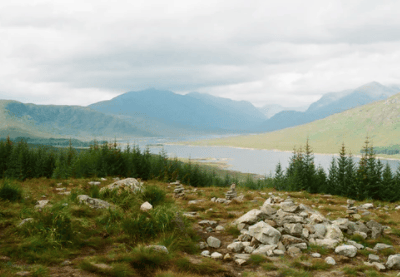
This is one of several projects from Trees for Life, which envisions restoration of the Scottish Highlands to enable both nature and local communities to thrive. The project follows the ‘conviction that nature, people and business need each other to be sustainable for the long term’, falling closely in line with the concept of nature-based […] -

Stormwater management in Norway’s abandoned airport
Fornebu airport, near Oslo, was abandoned in 1998 and has since been transformed into a multifunctional green space that reduces flooding, purifies water and boosts biodiversity, whilst also being a site for recreation, and residential and industrial land uses. When the airport closed, the site was heavily contaminated with pollutants such as oil, heavy metals […] -
Seagrass Restoration in the UK
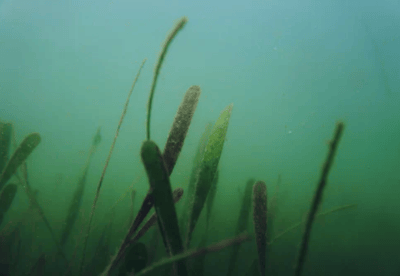
Seagrass meadows are highly degraded in the UK, with up to 92% of historical cover lost. 2021 has seen the first ever major seagrass restoration project in England, marking the start of the UN Decade on Restoration. So far, 18,200 biodegradable bags of seeds and seedlings have been laid on the seabed at a site […] -
Recent national climate commitments from the big emitters
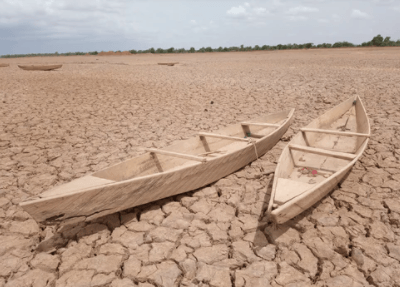
Over the last couple of months, some of the countries responsible for the largest share of greenhouse gas emissions have made enhanced climate commitments. However, progress on the ground has been limited and in Brazil’s case, backwards: – The top two highest emitting countries, China and the US, agreed in April that they are committed […] -

NDC updates: 82 Parties have submitted updated NDCs, with 75 enhancing ambition
When the Paris Agreement came into force, almost every nation made a written commitment to tackling climate change in the form of a Nationally Determined Contribution (NDC) and agreed to enhance ambition over time. Parties were meant to submit updated NDCs by the end of 2020, but due to the pandemic this deadline was softened. […] -

Net zero commitments globally represent 61% of emissions
Oxford Net Zero, in collaboration with the Energy and Climate Intelligence Unit, have published a global assessment of net zero targets across all countries, all states and regions in the 25 highest-emitting countries, all cities with a population over 500,000, and all companies in the Forbes Global 2000 list. 769 (19%) of these parties have […] -

Seagrass ecosystem contributions to people’s quality of life in the Pacific Island Countries and Territories
McKenzie et al. 2021 Seagrass meadows are receiving growing attention, especially in relation to their potential for carbon sequestration. However, a broader appreciation of the contributions of seagrass meadows to people’s quality of life will inform better interventions that enhance seagrass ecosystem health whilst also benefiting local people. This paper reviews how seagrass in the […] -

Assessing People’s Values of Nature: Where Is the Link to Sustainability Transformations?
Stålhammar 2021 In the context of ecosystem service research, there has been an increasing focus on measuring social and cultural values, beyond biophysical assessments. To that end, there has been growing interest in applying non-monetary methods to capture non-material social and cultural aspects of benefits in ecosystems. However, as Sanna Stålhammar’s perspective article highlights, there […] -

Biodiversity and the challenge of pluralism
Pascual et al. 2021 Biodiversity is often defined in the scientific community as the diversity of life at the level of genes, species, functions and ecosystems. However, Pascual et al. explain that the way biodiversity is understood by scientists is not value-neutral. There are in fact many different ways of understanding living nature; this means […] -

The economic consequences of conserving or restoring sites for nature
Bradbury et al. 2021 This paper compared the economic costs and benefits of conserving or restoring habitats, with those of alternative land uses. The economic consequences of conservation or restoration was assessed in terms of value of ecosystem services across 62 sites. The benefits from conservation/restoration were divided into private benefits (i.e. excludable benefits: private […] -

The value of US coral reefs for flood risk reduction
Reguero et al. 2021 This study assessed the value of coral reefs in the US for reducing flooding by modelling the effects of losing the top one metre of coral reefs across 3100 km of coastline. This level of vertical reef loss is possible over coming decades if threats to the reefs are not mitigated […] -

Coffee farm restoration and infiltration ditches to prevent flooding in El Salvador
Climate change is increasing the intensity of storms in El Salvador, causing erosion, landslides and flooding. The capital city, San Salvador, suffers especially badly from flooding due to the dominance of impervious surfaces and hence low capacity for infiltration. To address this, 1150ha of forest and coffee plantations will be restored over the next two […] -

NbSI Director speaks on Energy Policy Podcast
Professor Nathalie Seddon spoke on the Energy Policy Now podcast about the promise, challenges and potential moral hazards of nature-based solutions for climate change mitigation and adaptation. Nathalie explains why and how NbS need to be led by local people, and why they need to support diverse, healthy, resilient ecosystems. She also delves into the […] -
Community forests in Nepal
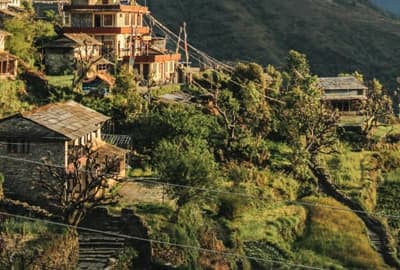
Many community forest projects have been set up in Nepal. A study of 105 of these found that they have been broadly successful for both increasing carbon sequestration and providing social benefits. The projects have been strengthened as part of the United Nations Reduced Emissions through Deforestation and forest Degradation (REDD+), which provides incentives for […] -
Enhancing smallholder climate resilience in banana and cocoa global food value chains
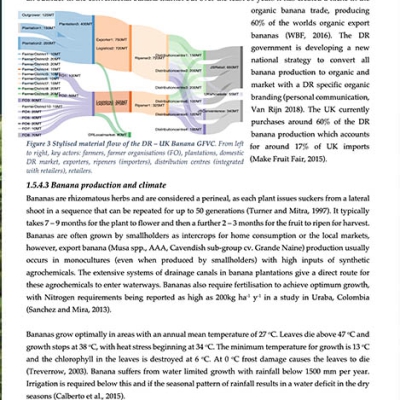
The global food system is a complex socio-ecological system performing the critical service (with varying degrees of success) of nourishing humanity’s food and nutrition needs. This system is under threat from, amongst others, a range of climate related shocks, including extreme weather events as well as more gradual stressors. -

We are hiring a Research Coordinator
We are seeking a Research Coordinator with communications experience to support work on evidence synthesis and dissemination, communications and outreach. The post holder will work closely with the NbSI team to support a wide range of ongoing projects, with a focus on helping to synthesise and communicate evidence on the socioeconomic effectiveness of NbS, coordinating […] -
Liberty Market forest: an urban forest in Pakistan
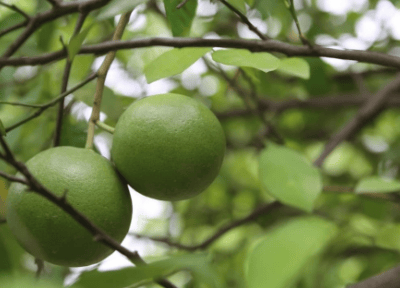
A densely planted urban forest in the centre of the second-largest city in Pakistan has been designed to be inclusive of marginalised local people, creating a safe place to socialise, enjoy nature and harvest fruit. In just two years the mini forest has become a haven for biodiversity, as well as filtering air pollution and […]