
Nature Loss and National Security: A Forward-Looking Research Agenda
A new research sprint investigated the links between nature loss and security, producing an agenda for priority evidence gaps, interventions and insights from behavioural science. November 19, 2026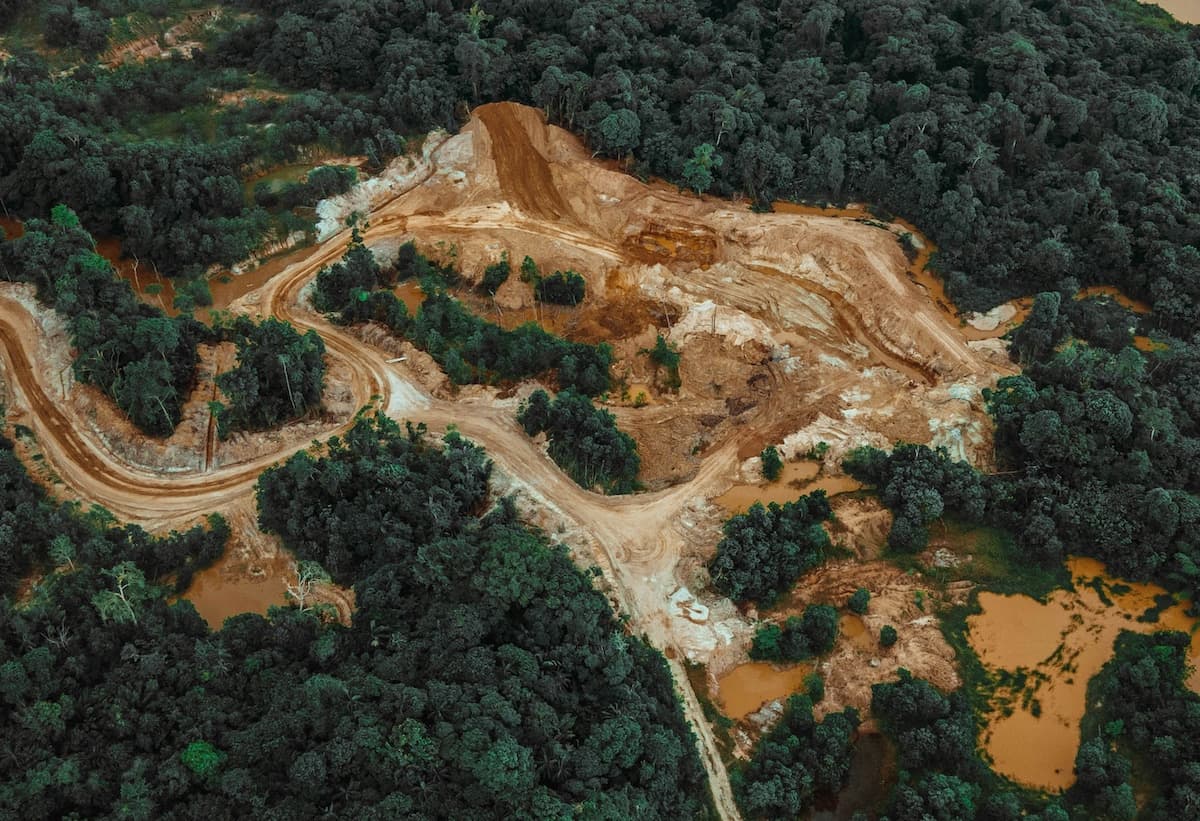
This piece includes excerpts from an Expert Comment by Alison Smith and Timothy Clack, published on the University of Oxford website.
At the start of 2026, the UK Government published a national security assessment with a stark conclusion: global ecosystem degradation and collapse pose a serious threat to UK food security, economic stability and international security.
An new Agile research sprint explores the links between national security and nature loss, through a collaboration between of 35 researchers and 15 UK Government departments.
The team found that while climate security risks were recognised across parts of government, there was far less understanding of the risks from nature loss. So they developed evidence chains mapping how biodiversity links to human and national security for a selection of critical natural systems.
They found that The UK is exposed to cascading risks to climate, food and water security both at home and through our dependence on imports.
The evidence compiled paints a compelling picture of the urgent need to protect and restore critical natural systems both in the UK and overseas. This includes protecting the birds, mammals and insects that disperse seeds and pollinate wild plants, and reducing stresses such as pollution, hunting and overfishing.
“We need to invest in societal resilience. Resilient societies can absorb information on adaptation options more effectively, recover faster and govern nature better.”
Alison Smith and Dr Timothy Clack
The sprint produced a forward-looking research agenda outlining priority evidence gaps alongside a list of potential interventions and behavioural science insights.
Explore the full agenda and read the Expert Comment by Alison Smith and Timothy Clack: